Staying at Shinjuku Kuyakusho-mae Capsule Hotel: A Budget Traveler's Data-Driven Review I tracked my spending during my last four trips to Tokyo, and accommodation costs remain the single biggest variable in my spreadsheets. During my most recent stay, I booked the Shinjuku Kuyakusho-mae Capsule Hotel for ¥3,800 ($25.40 USD) per night. While many travelers obsess over luxury, I focus on the math: this pod-style accommodation sits within walking distance of Shinjuku Station East Exit, saving me roughly ¥400 daily in local transport compared to staying in suburban neighborhoods. In 2026, finding a bed in the heart of the Kabukicho nightlife district for under ¥4,000 is a rare find, but you pay for it in privacy and noise levels. If you are a solo traveler prioritizing efficiency over comfort, this location is a strategic base, though it requires specific preparation regarding luggage storage and sleep environment.
Is the Shinjuku Kuyakusho-mae Capsule Hotel worth the cost?
The hotel is a cost-effective choice for solo travelers who spend most of their time exploring Tokyo rather than lounging in a room. At approximately ¥3,800 to ¥4,500 per night, it offers a significant discount compared to standard business hotels in the same area.
Price analysis and value
When comparing this capsule hotel to nearby business hotels like the APA Hotel, there is a consistent price gap of ¥6,000 or more per night. I use a budget travel spreadsheet to track my daily burn rate, and staying here allows me to reallocate those savings into my food and transit budget. However, you must account for the lack of private space, which makes this unsuitable for longer stays exceeding 3 nights.
What should I know before booking?
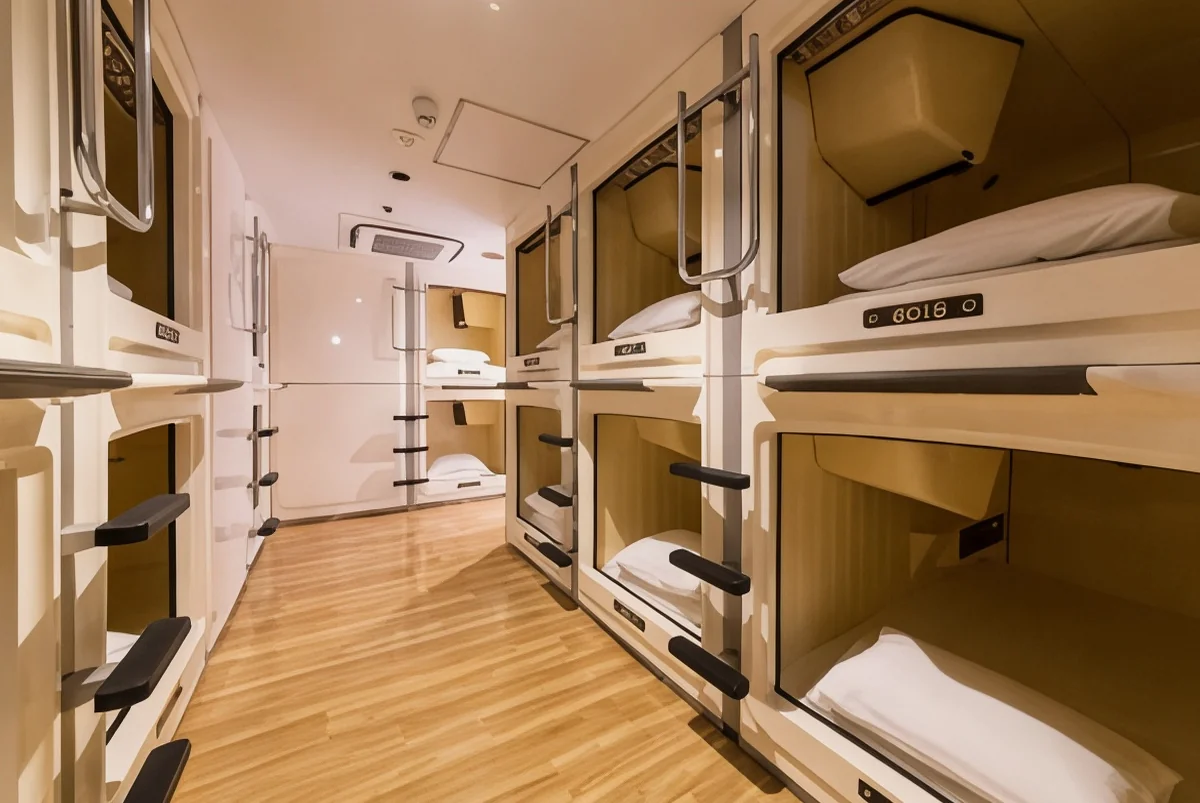
Understanding the operational realities, such as gender-segregated floors and shared sento facilities, is essential for a smooth check-in experience. Most guests find the check-in and check-out policies rigid, so ensure your arrival aligns with their set times to avoid unnecessary waiting.
Logistics and amenities
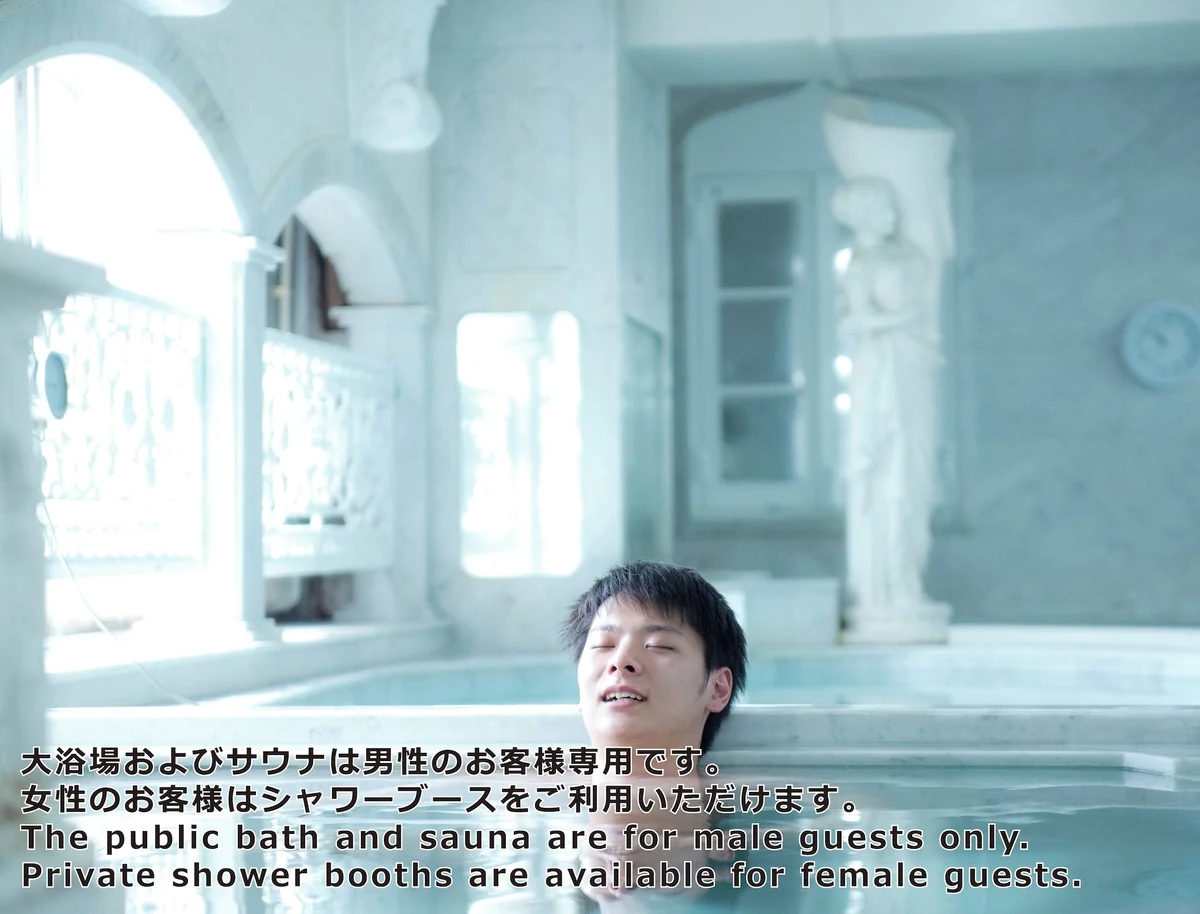
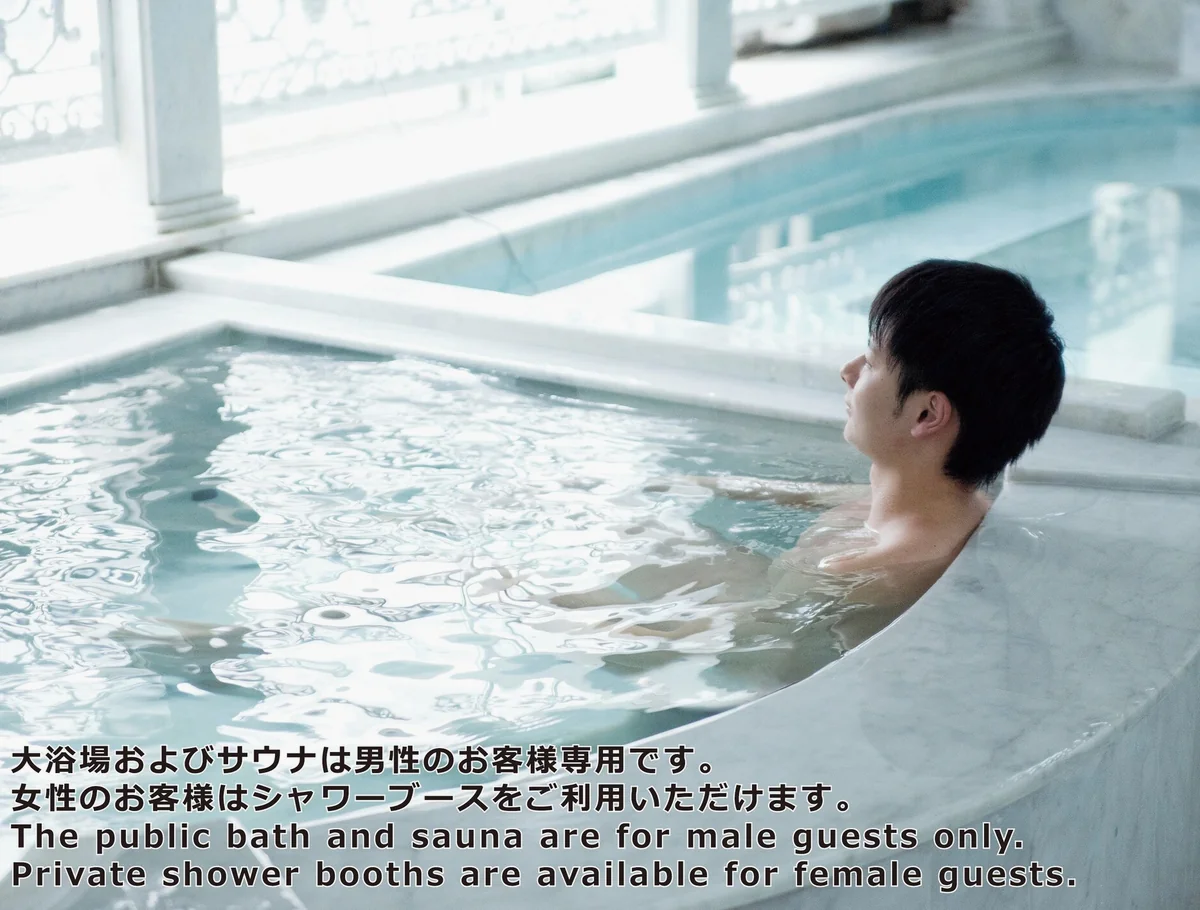
The facility provides shared sento and sauna facilities, which I find useful for recovery after hitting 20,000 steps on the Yamanote Line. One major downside is the limited luggage locker dimensions; if you are carrying a large suitcase, you will need to pay for external storage or manage your packing to fit a carry-on size. The communal lounge workspace is functional for checking emails, but it is not a quiet office environment.
Frequently Asked Questions
 Q: Is the capsule hotel noisy at night?
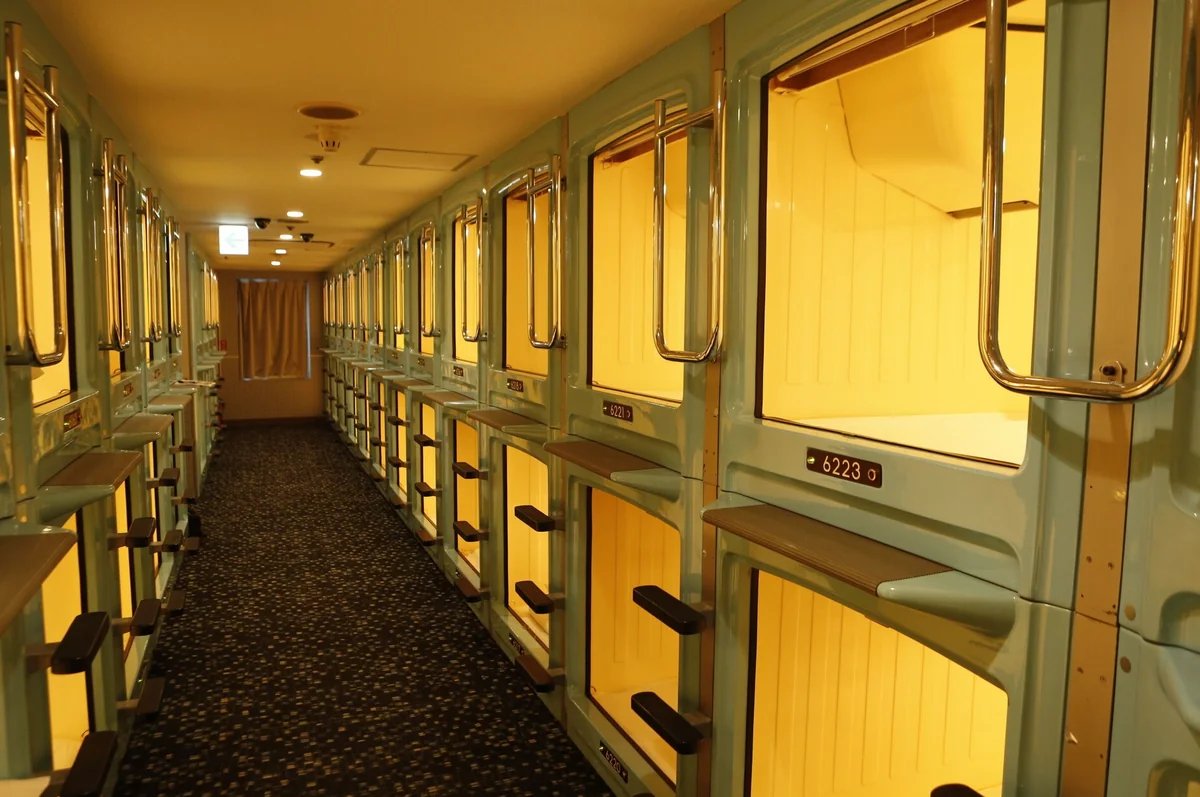
A: Yes, noise isolation levels are minimal since the pods use curtains rather than solid doors. I recommend bringing high-quality earplugs if you are a light sleeper, especially given its proximity to the active Kabukicho district.
Q: Can I store a large suitcase inside the capsule?A: No, the pods are strictly for sleeping, and luggage storage limitations are a known challenge. You should plan to use coin lockers at Shinjuku Station if your bag exceeds standard carry-on dimensions.
Q: How does the location help with transit?A: Being near the Shinjuku Station East Exit provides immediate access to the Yamanote Line and the Narita Express (N'EX), which simplifies travel to the airport and major city hubs. This efficiency significantly reduces the need for expensive taxi rides late at night.