Everyone claims cheap travel in Japan is dead in 2025. I ran the numbers for my last 9-day Chubu region trip: my spreadsheet expense tracking showed an average nightly accommodation cost of ¥3,650. I achieved this by skipping mid-tier business hotels and testing budget dormitory rates at places like Hostel Blue Door. With current JPY exchange rates sitting around 148 yen to the dollar, Japan on a budget requires strict math, not just optimism. I booked a mix of dorms and private rooms to see where the actual value lies. While the savings are real, the space compromises are significant.
How much does a night actually cost in Nagoya?
A standard dormitory bed in Nagoya typically costs between ¥2,500 and ¥3,800 per night depending on the season. Private budget rooms hover around ¥4,500, though hidden fees can slightly alter the final checkout price.
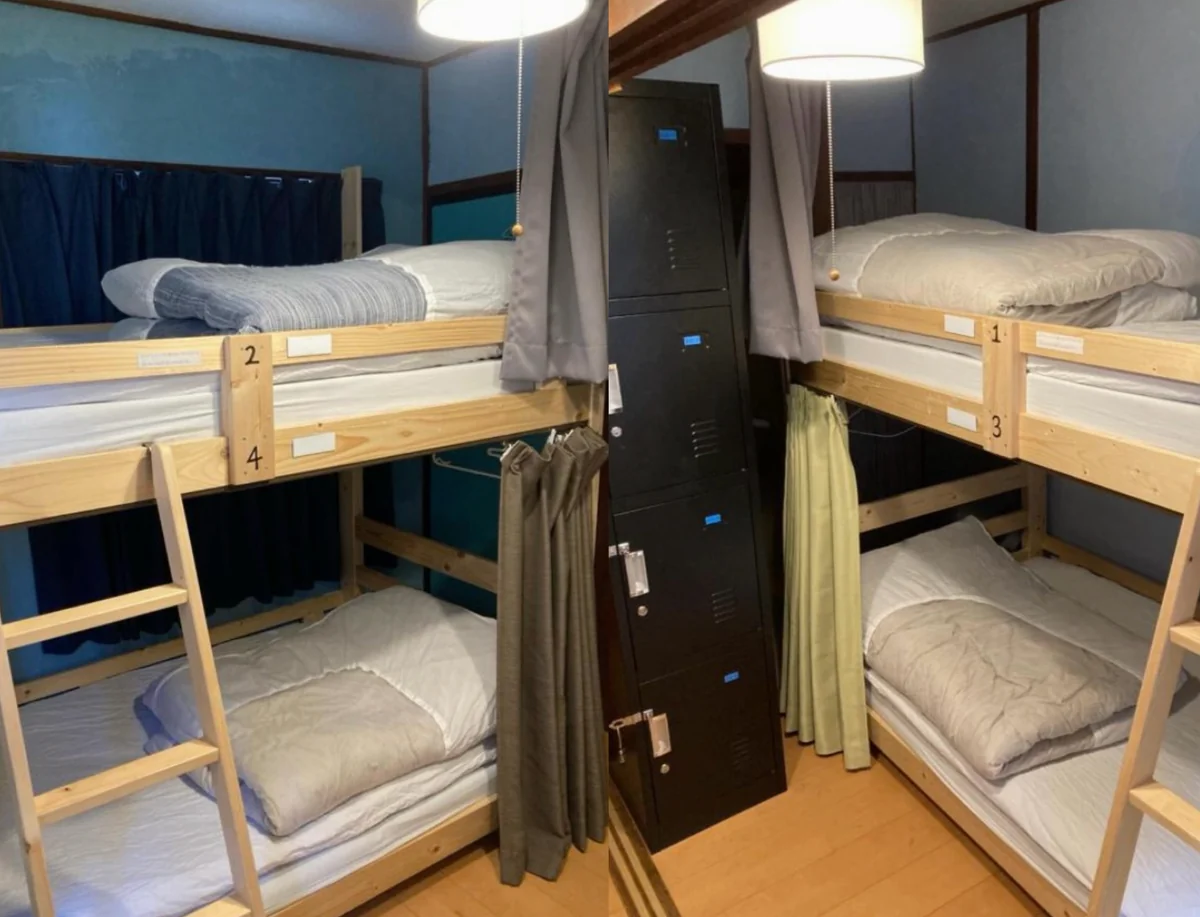
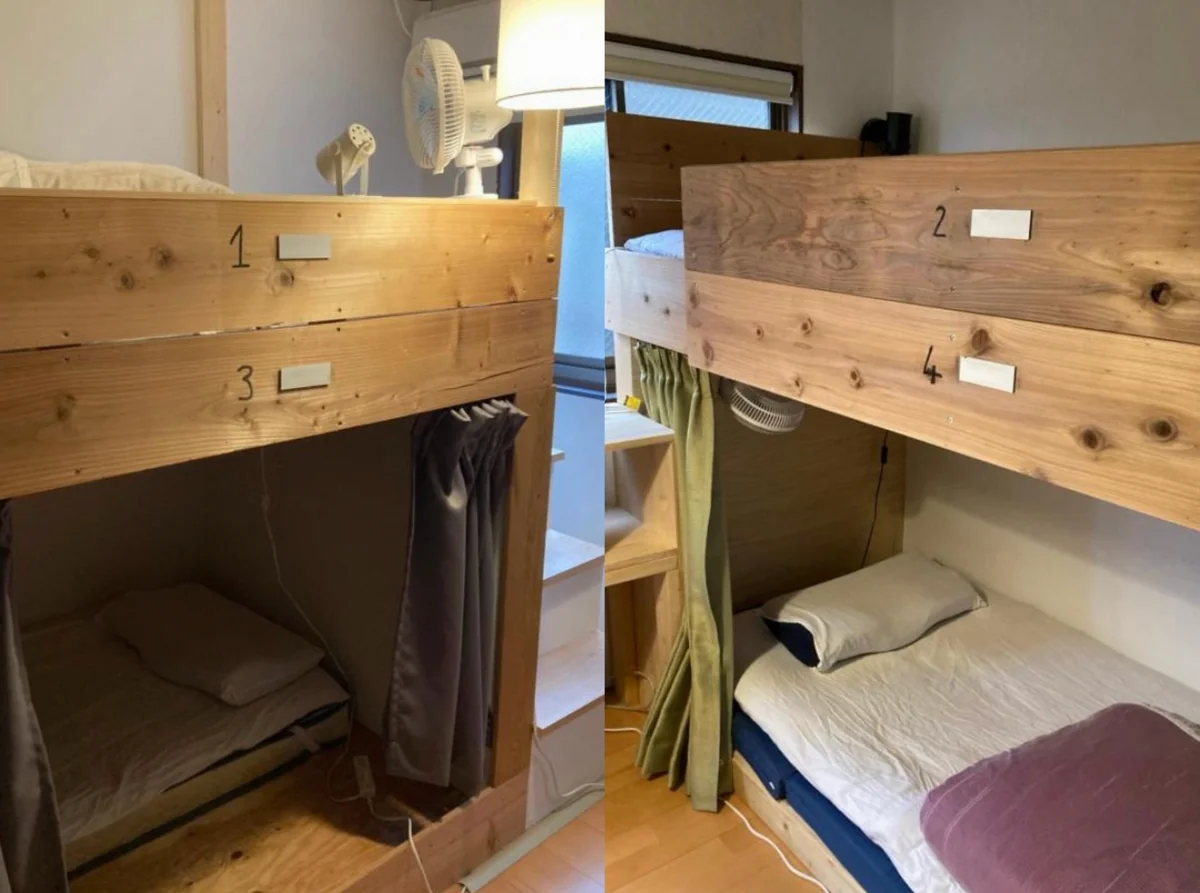
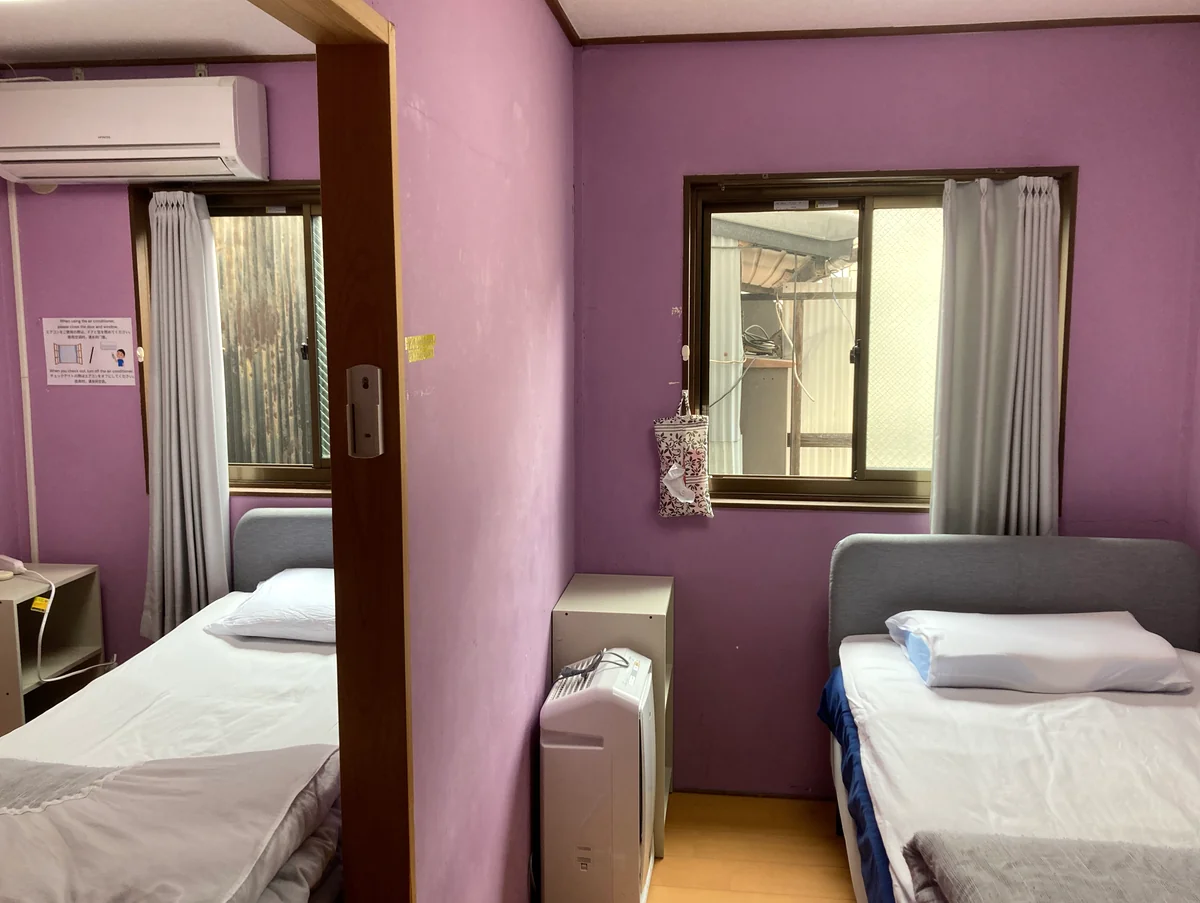
I track every yen. For my stay, a numbered wooden bunk bed in the shared dorm cost exactly ¥3,400 ($23). I noticed seasonal price fluctuations pushing this closer to ¥4,200 during the autumn foliage peak. When booking, watch out for Trip.com booking fees or unexpected service charges and taxes that occasionally get tacked onto the final page. I also tested their private twin room with purple wallpaper and two single beds, which ran me ¥3,800 per person. It is cheap, but the downside is severe: the room is so narrow you cannot physically open a standard 26-inch suitcase on the floor. You have to stand it upright on the bed.
Comparing the alternatives: Is a hostel worth the savings?
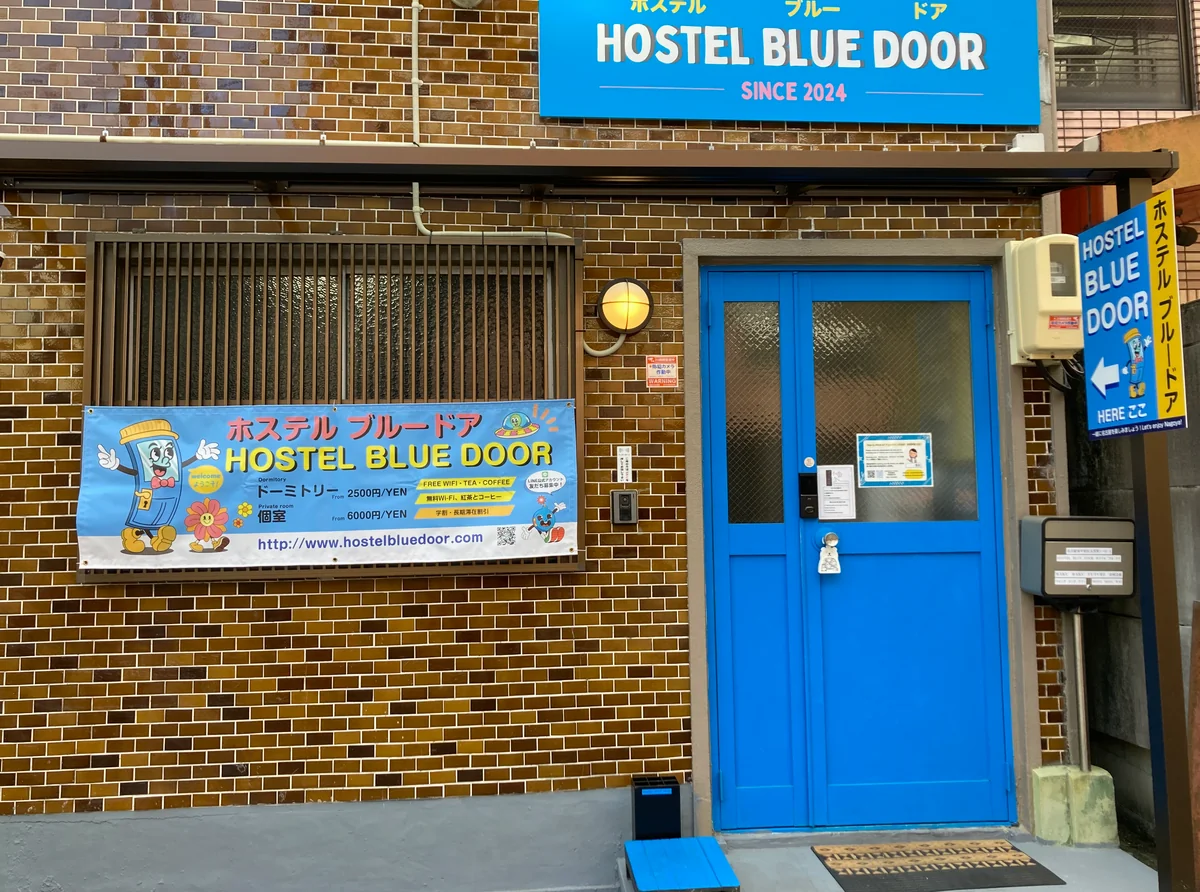
Choosing a hostel over a business hotel saves roughly ¥3,400 per night but sacrifices private bathroom access and floor space. It is a strict financial decision based on how much time you actually spend in the room.
Let us look at the data. I ran an APA Hotel price matching search and a Toyoko Inn Nagoya comparison for the exact same Tuesday night in October. The Toyoko Inn was ¥6,800 with basic breakfast included, while capsule hotel alternatives were sitting at ¥4,100.
| Accommodation Option | Base Price (JPY) | Key Compromise |
|---|---|---|
| Hostel Blue Door (Dorm) | ¥3,400 | Shared sleeping space |
| Standard Capsule Hotel | ¥4,100 | Zero floor space for gear |
| Toyoko Inn Nagoya | ¥6,800 | Higher baseline cost |
Location and transit logistics
The property is situated about a 14-minute walk from the main station, requiring some navigation through local streets. It offers solid connections to major transit lines if you utilize the local bus or subway network.
Getting there requires a specific route. Arriving from Chubu Centrair International Airport, I took the Meitetsu Line directly to Nagoya Station. From there, you have to navigate the Nagoya subway system. According to the property listing:
"Good accessibility to major transportation hubs in Nagoya"
This claim is mostly accurate, provided you understand IC card compatibility. I loaded my Manaca card and used the local bus to bypass the walk with heavy bags. It is close enough for Sakae district accessibility and a quick subway ride to the Osu Kannon area. If you are catching a Willer Express highway bus the next morning, factor in a 23-minute transit buffer to reach the terminal. You will spot the building easily by its distinct blue door and brown tile walls at the entrance.
Facilities and the reality of the stay
Budget hostels provide essential amenities like communal kitchens and laundry, but require guests to share bathroom facilities. The property maintains strict rules regarding entry times and luggage handling that you must plan around.
The guest house amenities cover the basics for thrifty travel, but you need to manage expectations. The shared bathroom facilities were clean during my stay, though waiting 12 minutes for a shower at 7:30 AM is standard. They offer female-only dormitories, which female travelers often report feeling secure in. The wooden bunk beds come with personal lockers, fitting a daypack but not a main suitcase.
- Quiet residential area away from main traffic noise
- Free luggage storage lockers available before check-in
- Communal kitchen and common area workspace for laptop use
- Reasonably priced parking and coin-operated laundry on site
Pay strict attention to their check-in time policies. The front desk closes at 10:00 PM sharp. If your flight is delayed, you will be locked out. I used the coin-operated laundry (¥300 per load) and spent two hours working in the common area workspace. It is functional, but the Wi-Fi dropped twice during a video call, so do not rely on it for crucial remote work.
For budget travel, this property serves its purpose if you need a cheap bed and a shower. My travel hacks always involve calculating the cost of transit against the room savings. If you have minimal luggage and want to save ¥3,400 a night, book the dorm. If you travel with large suitcases, spend the extra money on a business hotel.
Frequently Asked Questions
How much does a night at Hostel Blue Door Nagoya cost?
A night at Hostel Blue Door typically ranges from ¥2,500 to ¥4,500 depending on whether you book a budget dormitory bed or a private room. With 2025 JPY exchange rates remaining favorable for international travelers, this remains one of the most affordable options in the Chubu region. Prices fluctuate during peak seasons like Cherry Blossom or Golden Week, so booking early via platforms like Trip.com is recommended to lock in the lowest thrifty travel rates and ensure availability.
Is Hostel Blue Door Nagoya worth it for budget travelers?
Yes, Hostel Blue Door is highly recommended for travelers prioritizing savings and easy access to Chubu Centrair International Airport. While the accommodations are basic, the property consistently receives positive reviews for its cleanliness and proximity to the Meitetsu Line. If you are comfortable with shared spaces and want to maximize your Japan on a budget strategy, this hostel provides significant value compared to standard Nagoya hotels that often cost double or triple the nightly rate for similar locations.
How do I get to Hostel Blue Door from Nagoya Station?
To reach Hostel Blue Door from Nagoya Station, you can take a short train ride on the Meitetsu Line or use a local bus service. The hostel is strategically located to serve travelers arriving from Chubu Centrair International Airport, making it a convenient first or last stop on a Japan trip. For the best experience, use a transit app to check the latest Meitetsu schedules, as this helps you avoid expensive taxi fares and keep your budget travel hacks effective.
Hostel Blue Door vs. Nagoya business hotels: which is better?
Hostel Blue Door is the better choice for travelers seeking the lowest budget dormitory rates, while business hotels offer more privacy at a much higher price point. If your goal is thrifty travel and you only need a bed and a shower, the hostel saves you roughly ¥4,000 to ¥6,000 per night. However, if you require a private bathroom and quiet desk space for work, a mid-tier business hotel near Nagoya Station might be worth the extra investment.
What are the downsides of staying at Hostel Blue Door Nagoya?
The main downsides of Hostel Blue Door include limited personal space in dormitory rooms and the potential for noise from other guests in shared areas. As is common with cheap travel in Japan, the space compromises mean you will have smaller storage lockers and communal bathroom facilities. If you are a light sleeper or prefer total privacy, these dormitory settings may be challenging. However, for those focused on Japan on a budget, these minor inconveniences are a standard trade-off.