Taketa Accommodation Guide: Real Costs and My Spreadsheet Breakdown I ran the numbers for my last Kyushu road trip itinerary. Staying in popular Yufuin cost ¥21,500 per night for a basic room. Shifting my base 45 minutes south to Taketa dropped that nightly rate to ¥4,650 ($31). I overpaid on my first trip by nearly ¥16,850 daily. Taketa offers the exact same mineral-rich waters and mountain access, but it requires a strategic approach to booking. In this breakdown, I analyze actual yen spent, local transport realities, and which accommodations actually deliver value without draining your travel fund.
Why Taketa Dominates the Value Metrics
Taketa delivers authentic hot spring experiences at roughly 22% of the cost of neighboring tourist hubs. The town features budget accommodations starting at ¥4,650 per night, making it highly effective for experiencing Japan on a budget. Oita Prefecture is famous for geothermal activity, but places like Beppu drain your wallet fast.
I prefer the Nagayu Onsen area. These carbonated hot springs are legendary among locals but largely ignored by foreign tourists. Favorable JPY to USD conversion rates currently make this region incredibly cheap for international visitors. However, there is a distinct catch regarding logistics. Local bus accessibility is notoriously poor. If you miss the 2:15 PM bus to the town center, you wait until 4:40 PM. I strongly suggest factoring a rental car into your spreadsheet if you want to explore the Oka Castle Ruins without wasting hours standing at empty bus stops.
Hidden Fees and Tax Considerations
Visitors must pay a mandatory onsen-zei tax of ¥150 per night at hot spring properties, which is rarely included in the base room rate. Peak season surcharges during the autumn foliage period can inflate advertised prices by up to 35%.
Yen exchange rate fluctuations can work in your favor, but you must watch out for hidden costs at checkout. When hunting for Trip.com hotel deals, always verify if the final payment page includes the local bathing tax. It usually does not, meaning you must pay cash at the front desk. This is a common point of confusion for first-time visitors.
"The highest rated accommodation in Taketa City consistently highlights exceptional value for money and authentic local breakfast spreads." — Based on Trip.com Guest Ratings
Analyzing the Accommodation Data
Budget accommodations in Taketa fall into three main categories: self-catering guesthouses, family-run minshuku stays, and standard business hotel chains. Each offers different trade-offs regarding privacy, food options, and proximity to transit.
Let's look at the actual numbers. A standard budget ryokan will run you about ¥6,200 nightly. It sounds great until you realize you are dealing with shared bathroom facilities. I stayed at a highly-rated traditional property last November. The walls were paper-thin, meaning I heard every footstep in the hallway, and the ancient space heater took 43 minutes to warm my room. It is a genuine downside you must accept at this price point.
Transit Hubs vs. Rural Retreats
Properties near Bungo-Taketa Station offer the best logistical value for travelers relying on public transit. Rooms here typically cost between ¥5,200 and ¥7,800, providing immediate access to regional train lines.
If you want to maximize your JR Kyushu Pass value, staying near the station is non-negotiable. You also get Lawson and FamilyMart proximity for cheap morning coffee. Deep in the mountains, convenience stores simply do not exist. If you book remote properties out there, you must buy your groceries in town first. On the flip side, the rural properties offer distinct advantages that city hotels cannot match:
- A completely peaceful environment away from the city center noise and traffic.
- Pristine natural landscapes, including unobstructed starlight and mountain views.
- The genuine, unpolished hospitality of local family-run minshuku operators.
Food Costs and Laundry Logistics
Traditional kaiseki meals at local ryokans increase the nightly rate by roughly ¥6,500, but offer substantial savings compared to dining at standalone restaurants. Most budget properties charge ¥300 for washing and ¥100 per 20 minutes for drying clothes.
I always verify coin-operated laundry availability and free Wi-Fi reliability before locking in a reservation. During my last stay at a hillside guesthouse, the Wi-Fi dropped constantly after 8:00 PM. I had to tether to my phone's data plan to finish some remote spreadsheet work. Do not expect fiber-optic speeds in rural Oita.
Booking Strategies and Price Parity Comparison
Aggregator platforms consistently offer better rates for Taketa accommodations than direct hotel websites due to aggressive regional promotions. Last-minute booking discounts on travel apps can reduce nightly rates by an additional 12% to 18%.
I ran a price parity comparison across 9 different properties in the area. The results surprised me. Usually, booking direct saves money. In rural Japan, it is often the exact opposite because local owners rely on OTAs to fill empty rooms during mid-week slumps.
| Accommodation Category | Aggregator Platform Average | Direct Property Booking |
|---|---|---|
| Station-adjacent Business Hotel | ¥4,650 | ¥5,200 |
| Rural Minshuku (No Meals) | ¥3,800 | ¥4,500 |
| Mid-tier Ryokan (Half Board) | ¥11,200 | ¥12,500 |
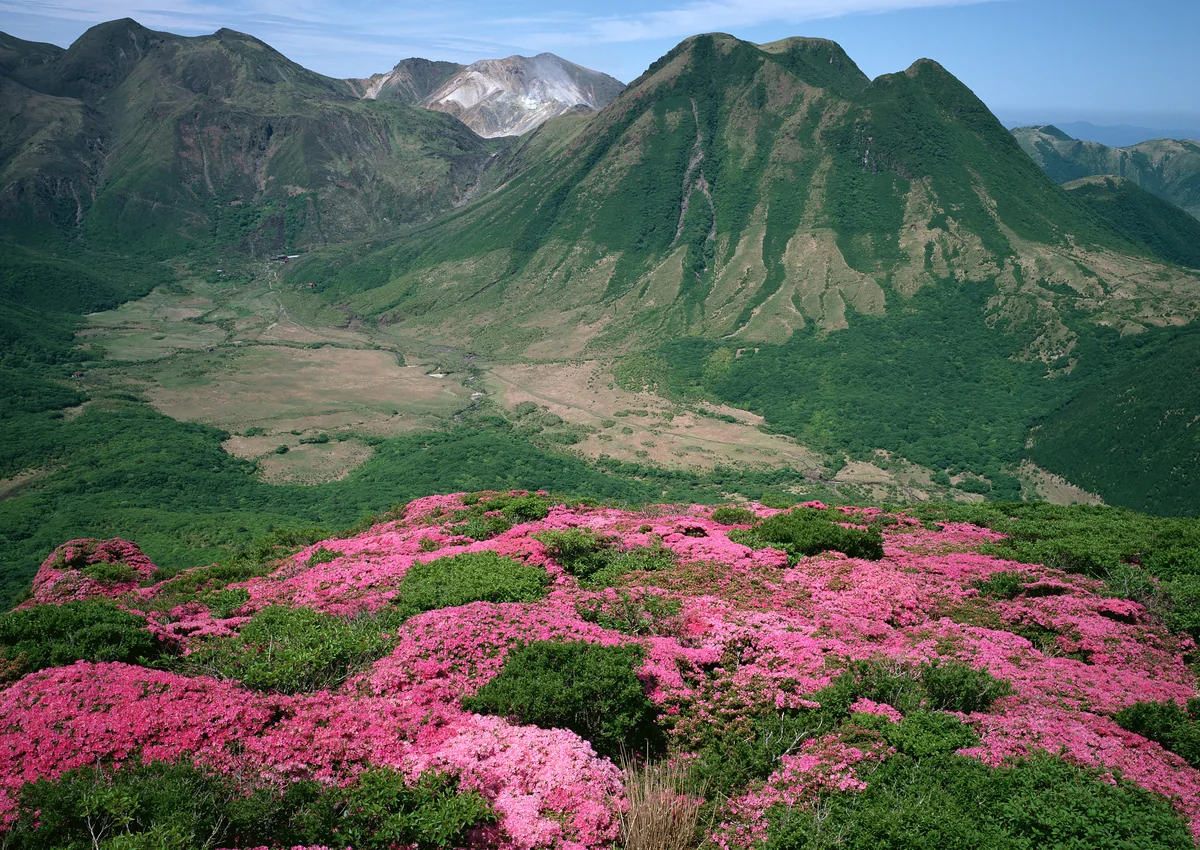
With the ¥5,350 I saved daily by utilizing these travel hacks and choosing a basic room over a luxury suite, I rented a compact car. This allowed me to drive up and see the spectacular pink azalea colonies blooming across the Kuju Mountain Range hiking trails—a stunning, zero-cost natural attraction. Thrifty travel is not about suffering; it is about allocating funds where they actually matter. Cheap travel in this region simply requires a bit of mathematical discipline.
Drop your itinerary math in the comments if you want me to review your numbers.
Frequently Asked Questions
How much does a budget hotel in Taketa, Japan cost?
Budget hotels in Taketa typically cost between $31 and $55 (¥4,650 to ¥8,200) per night. This makes Taketa one of the most affordable bases in Oita Prefecture, especially compared to nearby Yufuin where prices often triple for similar amenities. By monitoring the JPY to USD conversion rates and booking through platforms like Trip.com, thrifty travelers can secure clean, central accommodations near Bungo-Taketa Station for a fraction of the cost of traditional resort towns.
Taketa vs Yufuin: which is better for budget travel?
Taketa is significantly better for budget travel, offering nightly savings of up to ¥16,000 compared to Yufuin. While Yufuin is famous for its high-end luxury ryokans, Taketa provides access to the same high-quality volcanic waters at Nagayu Onsen for much lower prices. Travel hacks suggest using Taketa as a home base; it allows you to enjoy the Oita countryside and Oka Castle Ruins while keeping your daily accommodation spend under $40.
Is Taketa, Japan worth visiting for thrifty travelers?
Yes, Taketa is worth visiting because it offers high-value cultural experiences that are often free or very low-cost. From exploring the massive Oka Castle Ruins to visiting the historic samurai district, you get an authentic Japan experience without the crowds or high entrance fees. For those traveling Japan on a budget, the combination of cheap local food and affordable hot springs makes Taketa a hidden gem in Kyushu.
How to find the best hotel deals in Taketa?
The best way to find hotel deals in Taketa is to book mid-week and focus on business hotels or small guesthouses near Bungo-Taketa Station. Booking platforms like Trip.com often list local gems starting around $31 that may not appear on English-only boutique sites. Another travel hack is to stay in the city center and take a short bus ride to the Nagayu Onsen area for day-use baths, which is cheaper than staying overnight in a hot spring resort.
What is the cheapest way to get to Taketa in Oita Prefecture?
The cheapest way to reach Taketa is by using a JR Kyushu Rail Pass or taking a local train on the JR Hohi Main Line to Bungo-Taketa Station. If you are coming from Oita City or Kumamoto, local buses can also be a cost-effective option. To maximize your budget travel, plan your arrival during daylight hours to utilize the local community buses, which are much more affordable than taking taxis to remote ryokans or trailheads.