Nagoya Station Budget Accommodation: My 2026 Price Analysis and Honest Review Most travelers bleed money in Japan without realizing it. On my last business trip to Aichi Prefecture, I calculated that spending ¥12,000 a night on an average business hotel adds up to ¥84,000 over a week. That is the cost of a round-trip domestic flight. For those focused on cheap travel, finding the right base is critical. I recently tested Hostel Wasabi near Nagoya Station to see if the rock-bottom rates actually translate to real savings once you factor in hidden fees. Here is my exact breakdown of the expenses, the noise levels, and whether this property actually works for thrifty travel.
Is the location worth the price tag?
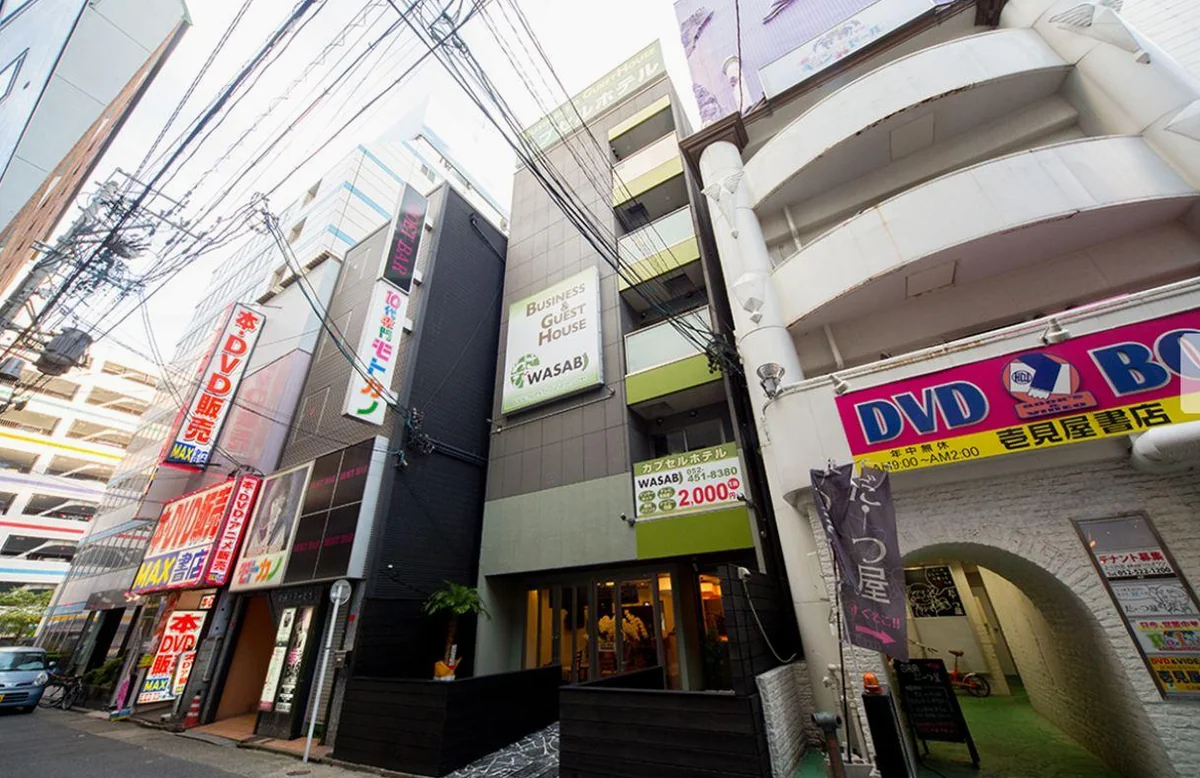
Hostel Wasabi sits directly across from the Shinkansen exit, offering beds that frequently drop to ¥2,000 ($13.20) per night. The immediate Nagoya Station Ekimae access drastically cuts down daily transit times and eliminates the need for expensive taxi rides after hours.
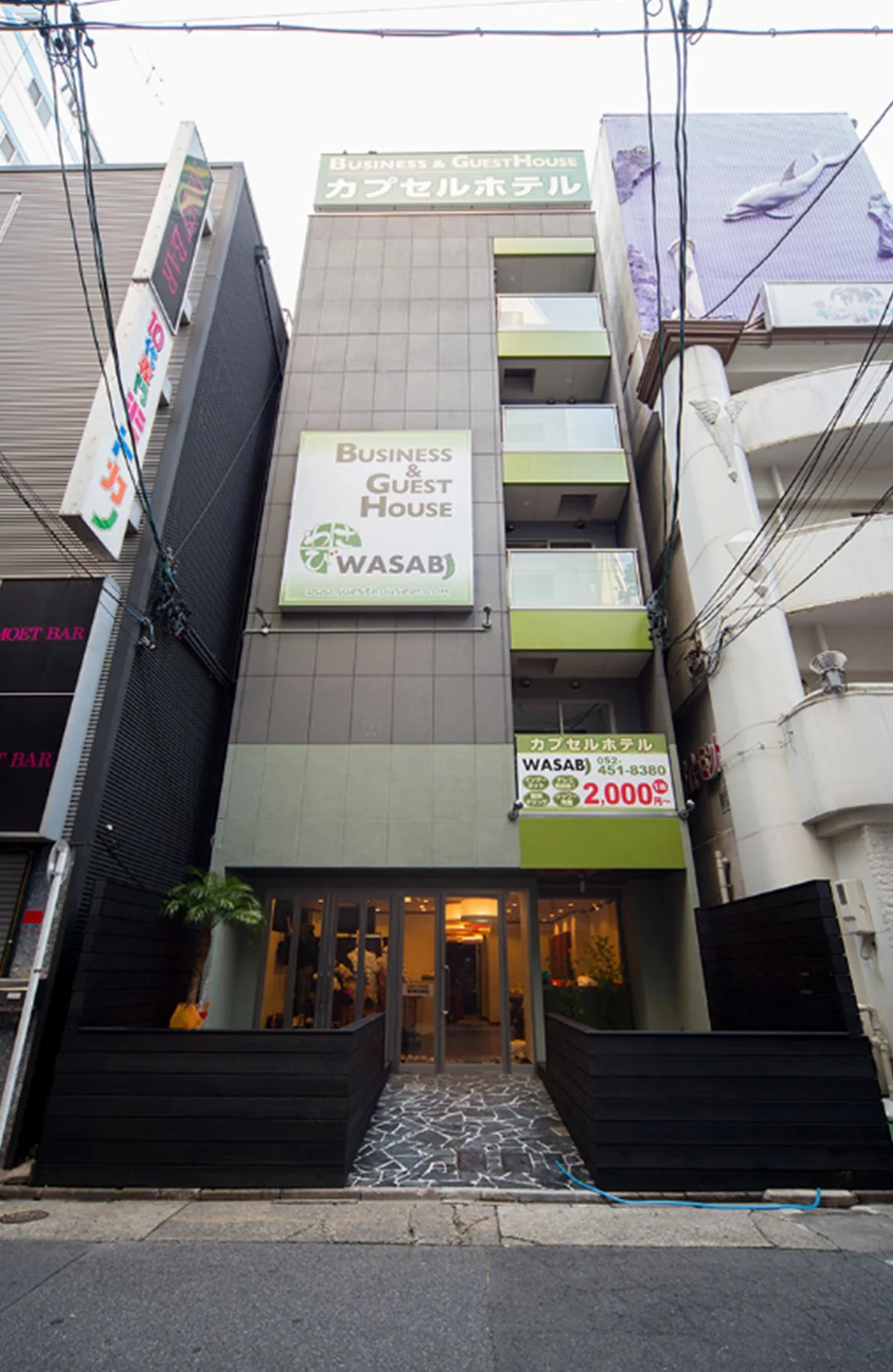
When you arrive via the Meitetsu Airport Express from Chubu Centrair International Airport (NGO), the last thing you want is a 20-minute walk with heavy luggage. The exterior of the building is unassuming, but at a base rate of ¥2,000, it is arguably the most rational choice in the district. Even with the inevitable street noise from the main avenue, the sheer proximity to transit makes the environment entirely tolerable. According to the property description, it is:
Centrally located in Nagoya, offering excellent access to major attractions.
Based on my experience, the core benefits include:
- Prime location directly opposite Nagoya Station
- Highly rational pricing starting from roughly $15 USD
- Unlimited beverage dispenser and rapid self check-in system
You also get excellent Lawson convenience store proximity right around the corner. I used it daily to grab ¥150 onigiri, keeping my breakfast costs practically at zero.
Room Types and 2026 Dynamic Pricing
Room rates fluctuate sharply based on demand, with standard pods costing ¥3,500 ($23.10) on weekdays but spiking above ¥6,000 ($39.60) on weekends. Tracking these shifts is essential to avoid overpaying during busy periods.
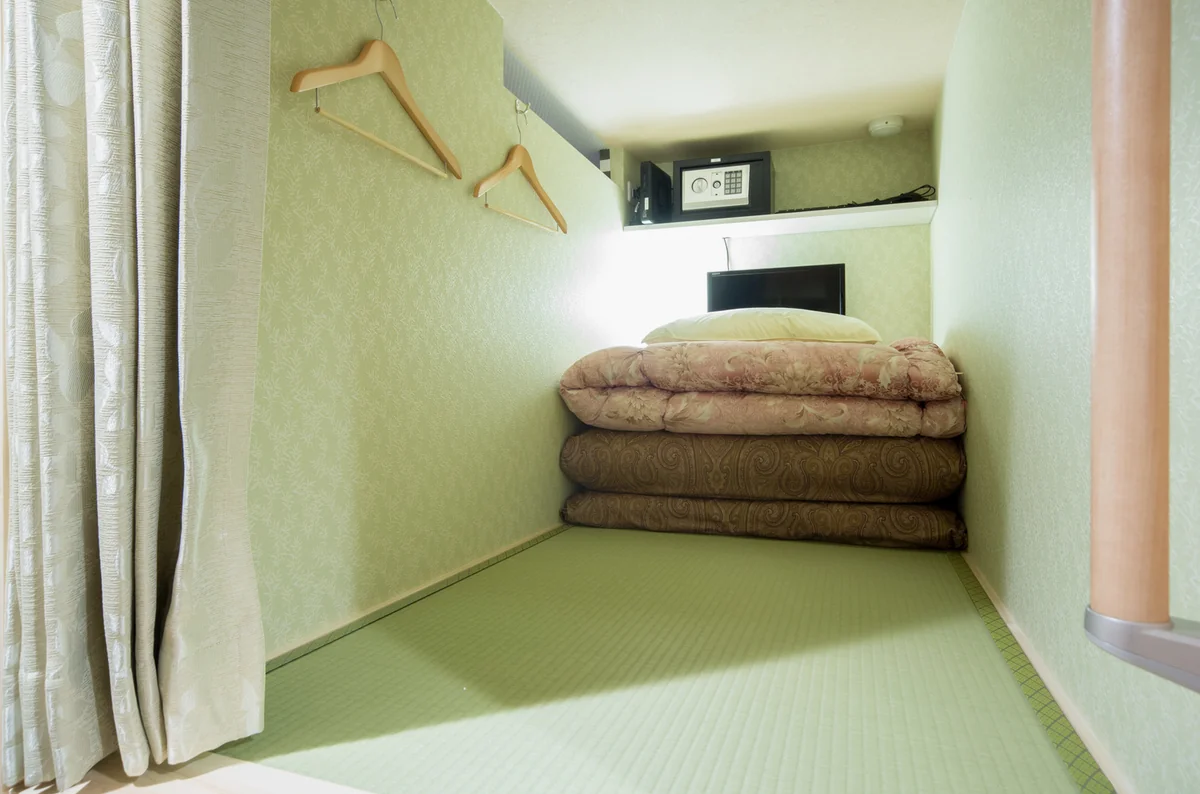
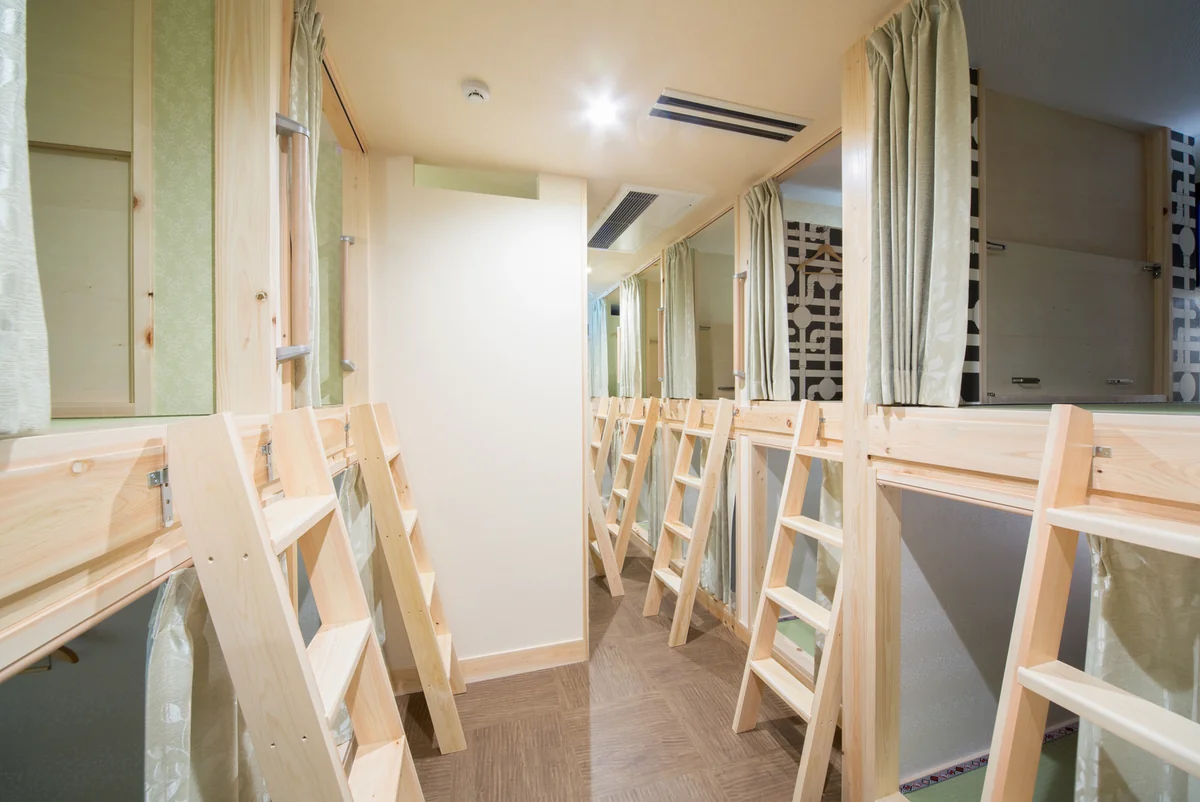
The budget travel landscape has shifted heavily. Thanks to dynamic pricing 2026 algorithms, you will rarely see a flat rate across a full week. During my stay, I booked a tatami-style private capsule. The bright wooden finishes on the second floor give the capsule-style dormitory a surprisingly clean and modern feel. At ¥3,500 for a weekday night, the cleanliness-to-price ratio dominates anything else near the station. They also feature dedicated female-only dormitory floors secured by keypad access, which adds a layer of security.
However, watch out for the peak season surcharge. If you book during Golden Week or a major local festival, prices jump significantly. I always check current JPY to USD conversion rates before locking in non-refundable rates to ensure the math still works in my favor.
How does it compare to business hotels?
A standard capsule averages ¥3,500, whereas entry-level business hotels in the exact same area start at ¥8,500. The financial savings are substantial, though travelers must sacrifice private bathrooms and floor space.
Let us look at the hard numbers. My value-for-money spreadsheet analysis compared the hostel directly against popular chains within a 5-minute radius.
| Property Name | Average Weekday Rate | Space & Privacy |
|---|---|---|
| Hostel Wasabi | ¥3,500 | Single pod, shared facilities |
| Toyoko Inn Nagoya comparison | ¥8,500 | 12sqm room, private bath |
| APA Hotel Nagoya Ekimae | ¥9,200 | 11sqm room, public bath access |
If you just need a place to sleep before catching an early train, paying an extra ¥5,000 for a business hotel is mathematically inefficient.
Daily Operations and Hidden Costs
Base nightly rates are cheap, but extra fees for basic amenities and strict timing rules can easily inflate your daily budget. Factoring in these operational costs is necessary for an accurate trip calculation.
The check-in/check-out policies here are rigid. Check-out is strictly at 10:00 AM, and overstaying costs ¥500 per hour. When booking online, watch out for Trip.com booking fees if you use a foreign currency card; I strongly recommend paying in JPY to avoid the 3% bank markup.
The shared bathroom amenities are basic but functional, though you have to rent towels for ¥200 if you do not bring your own. I tested the coin-operated laundry facilities on the ground floor—washing and drying a load cost ¥500 and took 80 minutes. I did find one genuine negative during my stay: the hostel Wi-Fi signal strength drops significantly if your pod is at the far end of the hallway. I had to use my eSIM data to finish a video call. Also, verify luggage storage availability before arrival. They charge ¥500 to hold bags after check-out, which eats directly into your daily savings.
Maximizing Nagoya on a budget
Combining cheap accommodation with local discount passes and strategic dining maximizes your savings. Smart routing and meal planning can cut your daily expenses by up to 30 percent.
Since you are saving on lodging, you can optimize the rest of your trip. I skipped the hostel snacks and walked 3 minutes to a local cafe for a traditional Nagoya Morning Service breakfast—buy a ¥450 coffee, get free toast and eggs.
For getting around, the Nagoya Subway 24-hour pass (¥870) pays for itself after four rides. I used it to hit Don Quijote Nagoya Sakae for cheap souvenirs and Bic Camera tax-free shopping for electronics. If you are moving on from Nagoya, doing the math on the JR Pass price-performance ratio is vital. With recent nationwide price hikes, individual Shinkansen Nozomi ticket prices often work out cheaper for simple round trips. Alternatively, the overnight highway bus terminal is just blocks away from the hostel, offering ¥3,000 rides to Tokyo. Anyone doing Japan on a budget should seriously consider the night bus over the bullet train.
Frequently Asked Questions
Read these essential property policies before booking to avoid unexpected check-in issues. Age restrictions and pet policies are strictly enforced at this specific location.
Q: Are pets allowed at the property?A: Pets and service animals are strictly prohibited from entering the premises.
Q: Is there an age restriction for checking in?A: The primary guest must be at least 18 years old to complete the check-in process.
Doing Japan cheaply requires exact calculations, not just blind optimism. Hostel Wasabi serves a very specific purpose: providing a highly efficient, roof-over-your-head solution for travelers who value location over luxury. If you have any specific travel hacks for the Chubu region, drop a comment below.