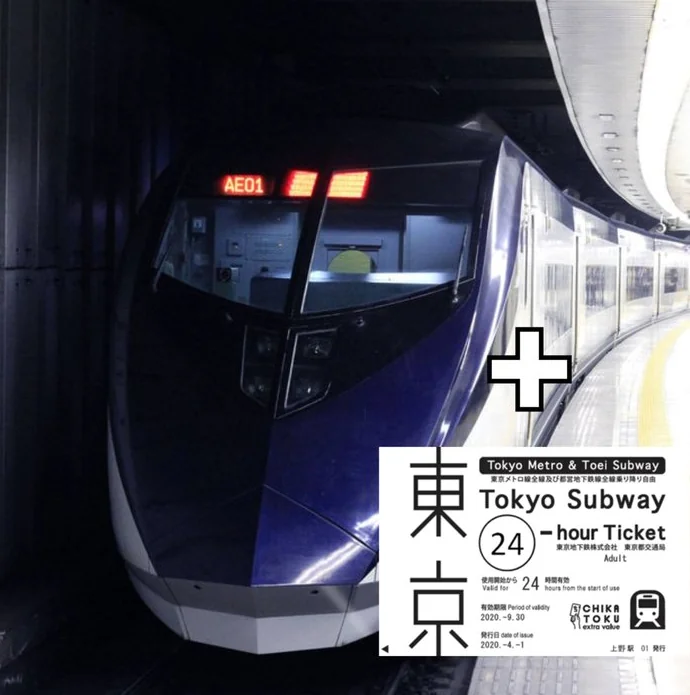
The Tokyo Skyliner and Subway Pass combo is the most effective financial choice for visitors staying near Ueno or using the subway extensively. By bundling the round-trip airport transfer with a 72-hour subway pass, travelers can save roughly 1,200 JPY (approx. $8.00 USD) compared to purchasing these services separately. This package streamlines the arrival process at Narita Airport and provides a predictable daily travel expense for any Tokyo itinerary planning.
Optimizing Narita Airport Transfers with Keisei Skyliner
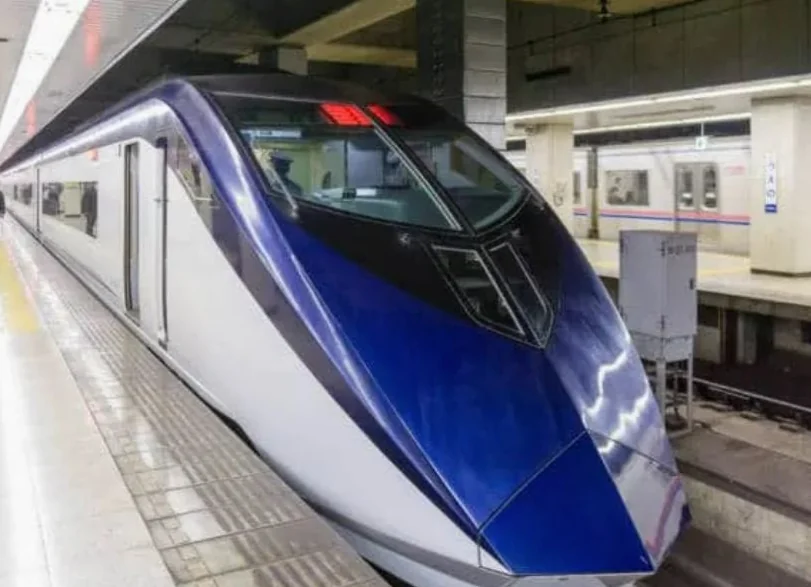
The Keisei Skyliner is the most efficient way to travel from Narita Airport to the city center, specifically targeting Ueno and Nippori stations. It operates at speeds up to 160 km/h, making it significantly faster than standard commuter trains or buses.
Speed and Comfort on the Narita Sky Access Line
The Narita Sky Access Line allows the Skyliner to bypass slower commuter traffic, ensuring a 41-minute journey to Ueno Station. This line is dedicated to high-speed transit, providing a smooth ride for passengers with luggage.
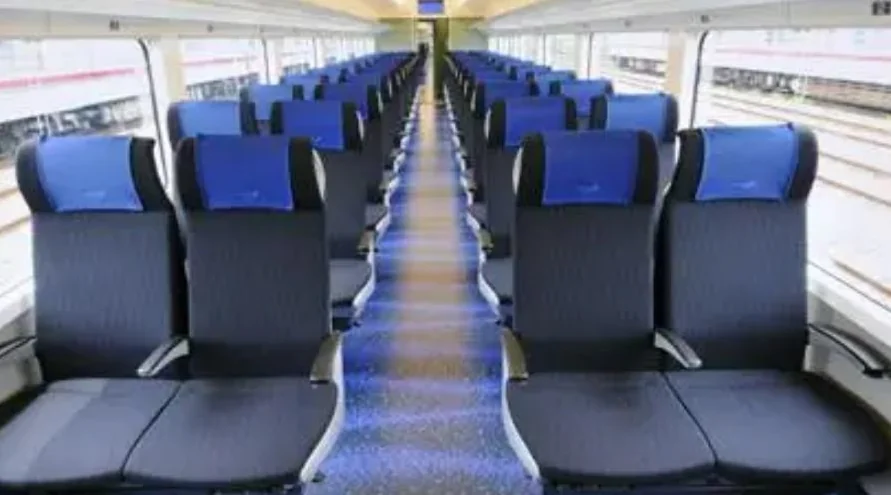
- Reserved seating is guaranteed for every passenger, ensuring a stress-free environment after a long flight.
- Spacious luggage racks are located at the end of each carriage, monitored by security cameras.
- On-board power outlets and free Wi-Fi help professionals catch up on work immediately upon arrival.
Redemption Process at Narita Airport Terminal 1 2 3
Digital voucher redemption occurs at the Keisei Electric Railway ticket counters or specialized ticket machines located at Narita Airport Terminal 1 2 3. Travelers must present their QR code voucher to receive their physical tickets and select their departure time.
During my last trip, I waited about 9 minutes at the Terminal 2 counter because I arrived just as a large flight landed. If the counter line is long, I suggest using the automated ticket machine exchange located right next to the gates; it is often much faster. You will need to scan the QR code and then your passport to verify your tourist status for the discounted combo price.
Maximizing the Tokyo Subway Ticket for City Exploration
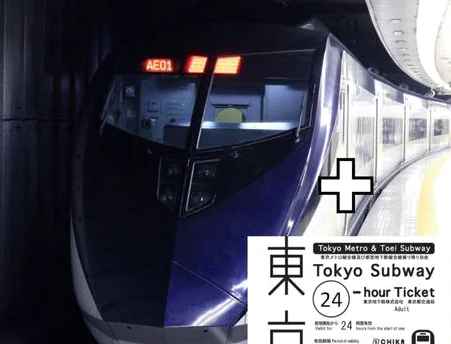
The Tokyo Subway Ticket offers unlimited rides on all Tokyo Metro and Toei Subway lines for 24, 48, or 72 hours. It is a cost-effective alternative to Suica or Pasmo IC cards for those planning multiple daily trips within the city center.
Coverage of Tokyo Metro & Toei Subway Lines
The pass covers 13 different subway lines and over 250 stations across the metropolitan area. This extensive network reaches almost every major tourist destination, including Shinjuku, Ginza, and Asakusa.
- Tokyo Metro: Includes the Ginza, Marunouchi, Hibiya, Tozai, Chiyoda, Yurakucho, Hanzomon, Namboku, and Fukutoshin lines.
- Toei Subway: Includes the Asakusa, Mita, Shinjuku, and Oedo lines.
- Constraint: The pass does not cover JR lines, meaning you cannot use it on the Yamanote Line or Chuo-Sobu Line.
Understanding 24/48/72 Hour Validity
The validity period of the Tokyo Subway Ticket is based on hours rather than calendar days. If you first use a 24-hour pass at 2:00 PM on a Monday, it remains valid until 1:59 PM on Tuesday.
This hourly system is a significant advantage for those arriving in the afternoon. In my budget travel spreadsheet, I always mark the exact time of the first tap. This allows me to squeeze in one last morning trip on the final day before the pass expires, maximizing the daily travel expenses allocated for transit.
Cost-Benefit Analysis: Is the Combo Worth It?

A cost-benefit analysis shows that the combo pass reaches its break-even point when a traveler takes at least three subway trips per day in addition to the airport transfer. This package eliminates the need for individual ticket purchases and reduces daily travel expenses.
Break-even Point Calculation vs. Suica or Pasmo IC Card
For a 72-hour pass costing 1,500 JPY, the daily cost is 500 JPY. Since a single subway ride typically costs between 180 and 260 JPY, you only need to ride the subway twice or three times a day to save money compared to using a Suica or Pasmo IC card.
- Standard Skyliner Round Trip: 4,500 - 5,000 JPY
- 72-Hour Subway Pass: 1,500 JPY
- Individual Total: ~6,500 JPY
- Combo Price: ~5,480 JPY (Savings of ~1,020 JPY)
Narita Express N'EX Comparison for Budget Travelers
The Narita Express N'EX comparison is vital for those staying near Tokyo Station or Shinjuku. While the N'EX is convenient for those specific areas, the Skyliner remains the budget-friendly king for those willing to transfer at Nippori Station to the Yamanote Line.
One minor inconvenience of the Skyliner is that Ueno is the terminus. If your hotel is in Shinjuku, you must factor in the extra 200 JPY and 20 minutes to transfer via the Yamanote Line. However, even with this extra cost, the Skyliner combo usually remains cheaper than a round-trip N'EX ticket unless you are using a JR Pass.
Frequently Asked Questions

Can I use the Tokyo Subway Ticket on JR lines like the Yamanote Line?
No, the Tokyo Subway Ticket is only valid for Tokyo Metro and Toei Subway lines. For JR lines, you will need to use a Suica, Pasmo, or purchase a separate ticket.
Where can I exchange the digital voucher for the physical tickets?
You can exchange the QR code voucher at the Keisei Information Center or ticket machines at Narita Airport Terminal 1, 2, or 3, as well as at Ueno and Nippori Stations.
Does the subway pass validity start from the day of purchase?
No, the validity starts from the moment you first insert the ticket into a subway station gate. The 24/48/72 hour countdown begins at that first tap.