I used to drop ¥38,500 ($258) on a single night at a Hakone ryokan just to soak in a hot spring for an hour. Last month in Osaka, I spent exactly ¥2,750 ($18) at a thermal water park and realized I had been overpaying for years. While a traditional onsen offers quiet contemplation, a Super Sento or Onsen Park provides 90% of the relaxation at 10% of the cost. For a budget traveler tracking every yen, these facilities are the ultimate travel hacks. In this guide, I will break down the exact costs of Japan's top thermal water parks, from Spa World Osaka to Hakone Kowakien Yunessun, and show you how to dodge the hidden fees that inflate your bill.
Choosing Between Spa World and Solaniwa Onsen
Spa World Osaka is the better choice for travelers seeking variety and low entry costs, while Solaniwa Onsen caters to those wanting a themed, aesthetic experience. Spa World typically costs ¥1,500 to ¥2,000 for a full day, whereas Solaniwa starts closer to ¥2,640 and climbs higher on weekends.
When I ran the numbers for my Osaka trip, the price delta between these two was significant. Spa World is a massive 8-story complex with themed baths from around the world. It feels a bit dated, like a 1990s theme park, but the value is undeniable. Solaniwa Onsen, located near Bentencho Station, is much newer and focuses on the Azuchi-Momoyama period. You get a fancy yukata rental included in the price, which is great for photos, but you pay a premium for that atmosphere. If you have an Osaka Amazing Pass, check the current inclusion list; sometimes these spots offer a small discount or free entry during specific windows, though full inclusion has become rarer in 2026.
| Expense Item | Spa World Osaka | Solaniwa Onsen | Budget Verdict |
|---|---|---|---|
| Adult Weekday Entry | ¥1,500 ($10.10) | ¥2,640 ($17.75) | Spa World saves ¥1,140 |
| Weekend Surcharge | +¥300 ($2.00) | +¥220 ($1.50) | Solaniwa has lower weekend scaling |
| Yukata Rental Price | Included (Basic) | Included (Premium) | Solaniwa wins on style |
| Night-time Entry | Not standard | ¥1,320 after 5 PM | Solaniwa wins for late arrivals |
Maximizing Your Budget with Smart Booking Hacks
The most effective way to lower entry costs is to use Klook discount codes or purchase night-time entry tickets. Most parks offer a 10-15% discount for bookings made at least 48 hours in advance, and arriving after 5:00 PM can slash the ticket price by nearly half.
Leveraging Early Bird and Night-time Discounts
Early bird booking discounts are real. For Hakone Kowakien Yunessun, I saved ¥450 by booking through a third-party app while sitting on the Odakyu Romancecar. Another thrifty travel trick is the night-time entry ticket. Many salarymen use these spots after work, so facilities like Solaniwa drop their prices after 5:00 PM. If you are just looking for a soak and a quick meal, the evening window is perfect. Just be aware that some outdoor rotenburo baths might have limited views after dark, but the JPY exchange rate optimization you gain by saving ¥1,000 is worth the lack of a sunset view.
Transport and Logistics Costs
Don't forget to factor in IC card transport costs. Solaniwa is right at Bentencho Station (JR/Subway), while Spa World is a short walk from Shin-Imamiya. If you are staying at a capsule hotel nearby, you can save on the shuttle bus schedules that some of the more remote suburban super sentos provide. I always calculate the round-trip train fare before deciding if a "cheap" onsen is actually a bargain. A ¥500 train ride to save ¥300 on entry is bad math.
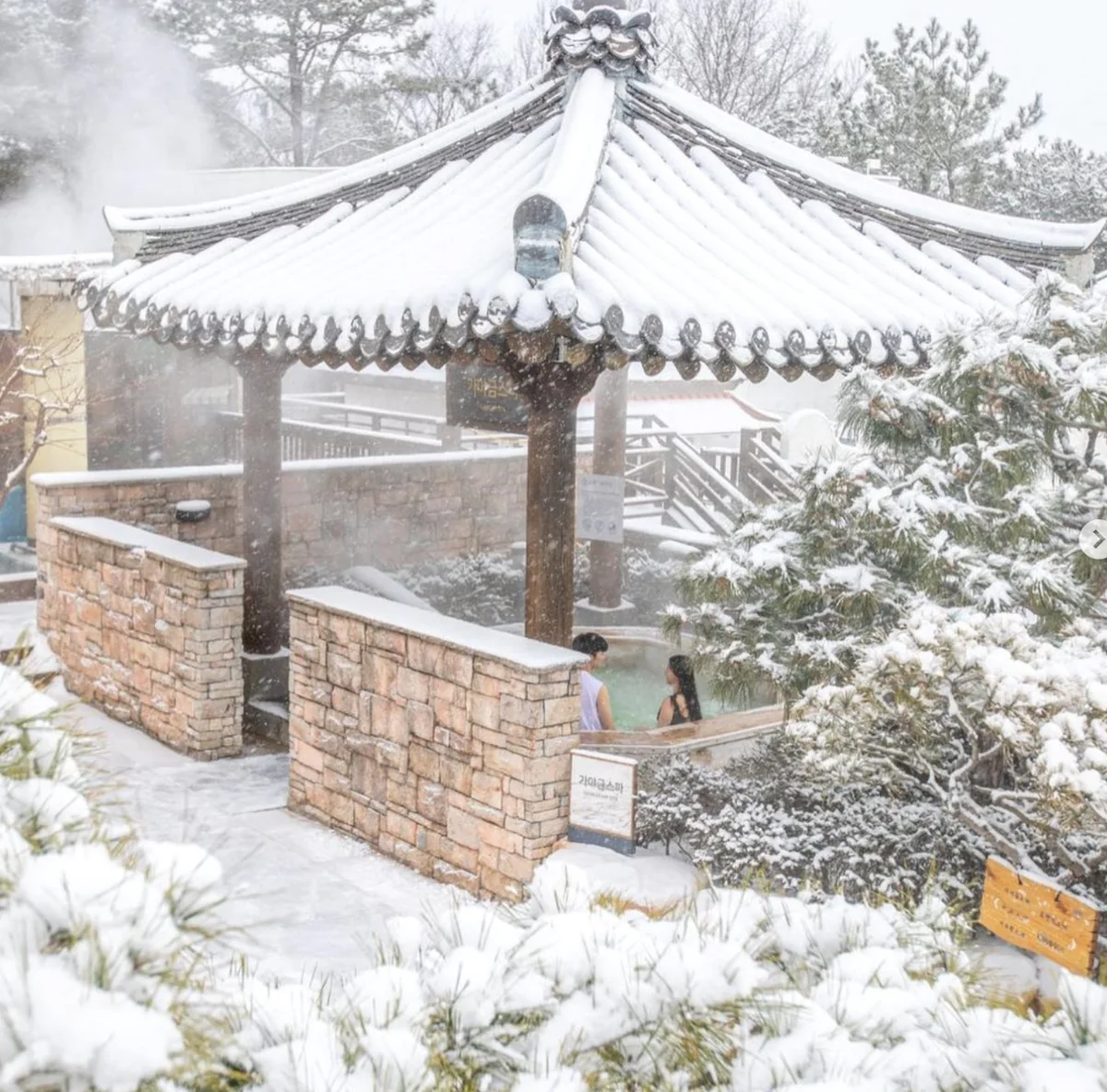
"Seorak Waterpia uses the first designated health-recovery onsen water in Korea." — Allure Korea
Hidden Costs and Practical Realities
Hidden fees like towel rental fees, coin locker costs, and inflated in-house food court prices can easily add ¥2,000 to your bill. To keep it a truly cheap travel experience, bring your own towel and eat at a nearby konbini before entering.
Most people walk in and realize they have to pay ¥300 for a towel set. I carry a small microfiber towel in my daypack to avoid this. Also, be wary of the "re-entry permit rules." Most thermal parks do not allow you to leave and come back. This means you are a captive audience for their food court, where a simple bowl of ramen costs ¥1,200—about 40% more than a street-side shop. Use your travel credit card rewards for these internal purchases if they accept cards, but many still require you to tap your entry wristband and pay at a machine (often cash-only for the final settlement) upon exit.
Tattoo Policies and Mixed-Gender Areas
Tattoo policy regulations are still strict in Japan. If you have large pieces, you might be turned away even at larger water parks, though Hakone Kowakien Yunessun is famously more relaxed in its swimsuit-required areas. Speaking of which, mixed-gender bathing areas require swimsuits. If you didn't pack one because you're worried about low-cost carrier luggage fees, renting one will cost you another ¥500-¥1,000. It is a classic budget trap.
Seasonal Constraints and Crowding
Before you book your ticket, consider these two major factors that can ruin the experience:
- Cold Weather Restrictions: During winter, many of the best rotenburo outdoor baths are amazing, but the transition areas are freezing. Some outdoor slides or water features may close if temperatures drop too low, reducing the value of your ticket.
- Summer Crowding: From July to August, these parks become magnets for local families. Expect 45-minute waits for popular slides and shoulder-to-shoulder crowds in the main pools. The weekday vs weekend pricing delta usually jumps by 20% during these peak months.
For the best balance, I recommend visiting on a Tuesday or Wednesday. My spreadsheet shows that weekday crowds are 60% lower than Saturdays, and you avoid the weekend surcharge entirely. If you're looking for a value-added tax refund on your entry, forget it—service fees like these aren't eligible, so don't bother bringing your passport for a tax-free discount at the ticket counter.
자주 묻는 질문